A commercial building has the same plumbing as a house, more of it, and less tolerance for downtime. A restaurant without hot water cannot open. An office with a backed-up restroom sends people home. A rental with a burst line has a tenant on the phone at midnight.
Gas Guys handles commercial service and repair, residential and commercial alike, under SC license CLM 118059. Our focus is keeping existing buildings running: water heaters, gas piping, drains, fixtures and the emergencies in between.
We work for business owners, facility staff, churches and property managers across Spartanburg County, and a person answers the phone around the clock.
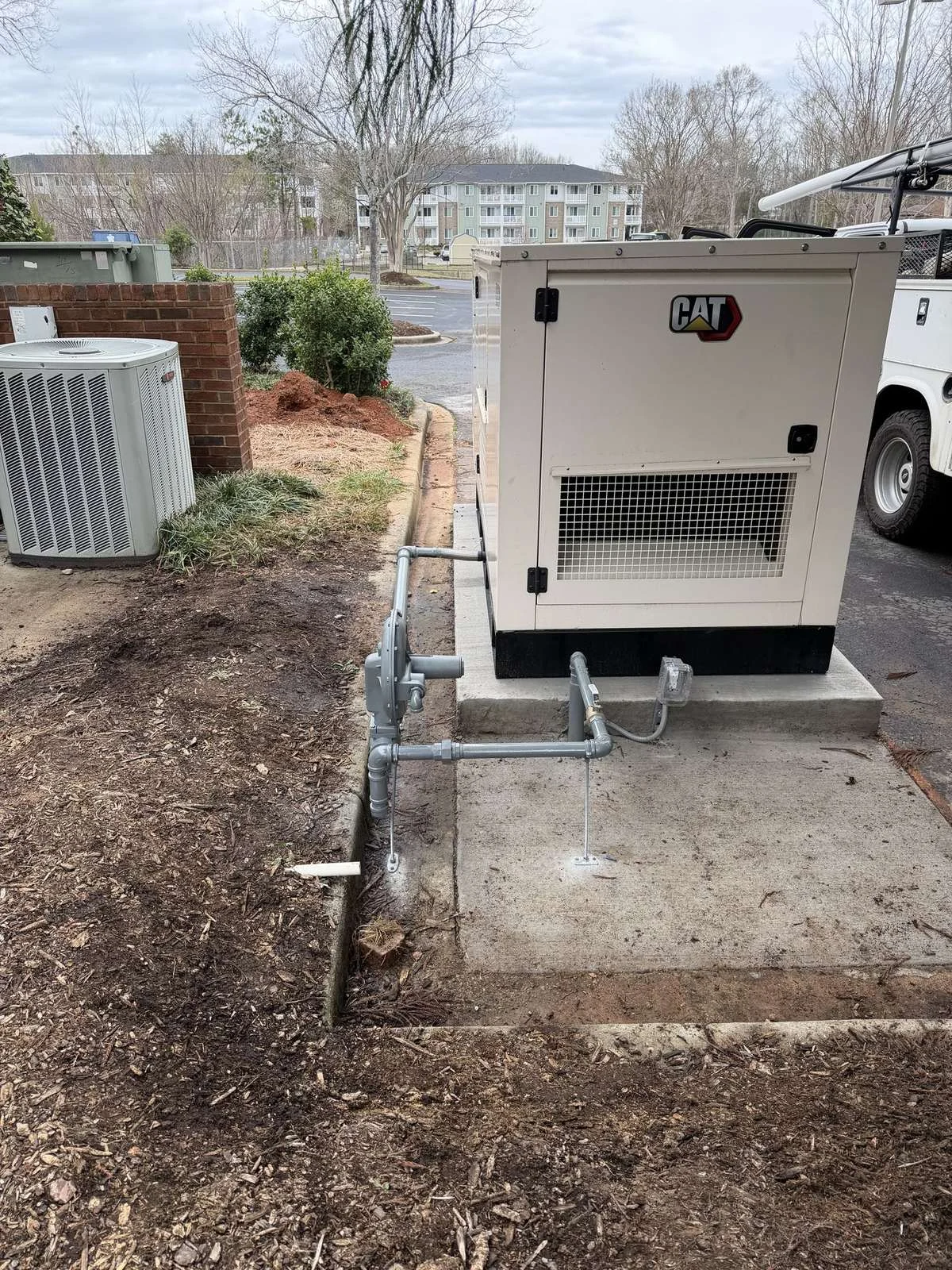
Commercial calls we handle
- No hot water in a kitchen, restroom or tenant space
- A gas smell near kitchen equipment or a rooftop unit
- New or moved gas equipment that needs a line, a valve or a connector
- Floor drains or kitchen lines that back up during service
- Running toilets, leaking flush valves and broken faucets in public restrooms
- A water leak in a wall, ceiling or slab
- A tenant emergency at a rental property after hours
Commercial equipment we service and connect
- Commercial gas ranges, fryers, griddles and ovens
- Commercial tank water heaters and booster heaters
- Rinnai and Navien tankless water heaters, single or in arrays
- Three-compartment and hand sinks, mop sinks and floor drains
- Restroom fixtures, flush valves and faucets
- Gas unit heaters for shops and warehouses
- Gas lines to rooftop units and other gas-fired equipment
Restaurants and commercial kitchens
A commercial kitchen is the hardest-working plumbing and gas system most businesses own. The gas line has to feed the fryers, the range, the ovens and the water heater all at once during a rush, and a line sized for the original equipment often struggles once a second fryer or a larger range is added. We check the load before new equipment goes on the line, and we connect it with the right connector, shutoff and restraint for equipment on casters.
Hot water is the other half. Health codes set water temperature expectations for handwashing and dish sanitizing, and a kitchen that runs out of hot water at the end of a shift is often running a heater that is undersized or full of sediment.
Kitchen drains carry grease. The grease trap or interceptor is there to catch it, but grease that gets past it hardens in the line and backs up the floor drains. We clear kitchen lines and find where the grease is getting through. Pumping the interceptor itself is done by a grease hauler, and your sewer provider may have its own rules on how often.
Offices, retail, churches and rental property
Most commercial plumbing calls are not dramatic. They are restroom fixtures, flush valves, water heaters, slow drains and leaks, in buildings that cannot shut down for a day while someone gets around to them. Churches often have kitchens that work hard a few times a week and sit idle the rest, which is hard on water heaters and drains alike.
For property managers and landlords, we work from your instructions on access and approval, report what we found, and give you a price before work starts. A tenant who calls at night gets a person on the phone, and you get a clear account of the repair afterward.
Commercial water heaters and tankless arrays
Commercial hot water comes from large tank heaters, from boosters that raise dishwasher water to sanitizing temperature, or from several tankless units linked together. Gas Guys is certified to install and service both Rinnai and Navien tankless water heaters, and both companies make commercial rack and manifold systems that tie several units together to share the load.
An array has an advantage a single big tank does not: if one unit needs service, the others keep running. It also needs a gas supply sized for all of the units firing at once, a venting plan, condensate drainage and regular descaling. We size the gas line for the full array, not one heater.
Gas piping for commercial equipment
Commercial buildings often run gas at elevated pressure to a regulator near the equipment, with longer runs and larger pipe than a house. Adding or moving equipment means checking the pipe size against the new load, adding shutoffs and sediment traps, and pressure testing new piping under the fuel gas code before anything is connected.
We repair leaks, extend lines, connect new gas equipment and replace failed connectors and valves. When new piping or a new appliance connection goes in, it is permitted and inspected like any other gas work.
Backflow, permits and your water provider
Commercial water services often have a backflow prevention assembly, which keeps water from the building from flowing back into the public supply. South Carolina requires public water systems to run a cross-connection control program, and Spartanburg Water, for example, requires certain commercial assemblies to be tested every year by a certified tester. Your water provider sets which assemblies and how often, so check with them on testing.
Commercial plumbing and gas work is permitted through the city building department inside city limits or the county's office outside them. We pull permits for the work we do and coordinate inspections around your business hours where the inspector's schedule allows.
How a commercial service call runs
-
Call any hour
A person answers 24/7 and gets the details: what failed, who is on site, and how to get in.
-
Diagnose on site
We find the cause and explain it to the owner, manager or whoever you designate.
-
Price before work
You get the price and approve it before we start. Property managers can set approval rules up front.
-
Repair with the least downtime
We work around service hours where we can, and get water or gas back on as quickly as the repair allows.
-
Permit and inspect
Work that needs a permit gets one, and new gas piping is pressure tested before it goes into service.
-
Report and invoice
You get a clear record of what was found and done, for your files, your landlord or your tenant.
Not sure this is the problem? Describe what is happening and we will tell you.
(864) 415-7482Permits for commercial work
Commercial plumbing and gas work in Spartanburg County is permitted by the City of Spartanburg inside city limits, by the other municipalities that run their own permitting, and by Spartanburg County Building Codes in unincorporated areas. Replacing a water heater, adding gas piping or connecting new gas equipment generally needs a permit and an inspection.
We file the permit and schedule the inspection. Business owners should keep the permit records, since landlords, insurers and fire marshals can ask for them.
What drives the cost of commercial service
Every job is priced before work starts. These are the things that move the number.
- Urgency
- An emergency at night may call for a temporary repair to get you open, followed by the permanent one at a better time.
- Access
- Ceilings, roofs, kitchens in service and tenant spaces all affect how long a job takes.
- Equipment size
- Commercial water heaters, tankless arrays and gas equipment are larger and heavier than residential ones.
- Gas load
- New equipment may need a larger line or a regulator change.
- Permits
- The city or county sets the permit fee for the work.
- Payment and financing
- We take all payment types and offer financing, so a failed water heater does not have to wait for next quarter's budget.
Why businesses call Gas Guys
Gas and plumbing in one call
A kitchen that needs a water heater, a gas line and a drain cleared gets all three from one company.
Rinnai and Navien certified
Certified to install and service both brands of tankless water heaters, including multi-unit systems.
Licensed and insured
SC license CLM 118059 and NC license L39015. Fully licensed and insured.
Transparent pricing
The price comes before the work, and customers mention our honest pricing in reviews.